- Up n' Running
- Posts
- 🔄 Tariffs can’t kill trade


Good morning. Mukesh Ambani just reminded everyone what corporate appreciation looks like - by reportedly gifting a ₹1,500-crore building to his longtime aide.
Forget gift cards; loyalty apparently comes with real estate 🏡
Ruchirr Sharma & Shatakshi Sharmaa
TABLE OF CONTENTS
Bite-sized summaries
🧑🍳 What else is cookin’?
GEOPOLITICS
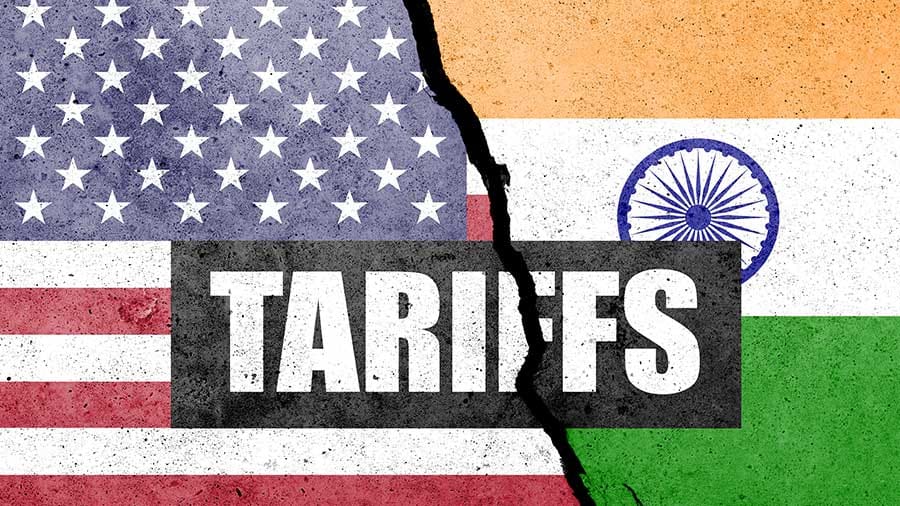
Everyone said 2025 would be the year globalization cracked. US tariffs were supposed to slam borders shut, freeze supply chains, and shrink world trade. Instead, the opposite happened.
According to UN data, global trade likely crossed $35 trillion in 2025, up 7% year-on-year. That is a record. The White House taxed trade, but it did not stop it.
Yes, tariffs mattered. Early 2025 saw panic-buying, with companies rushing shipments before higher duties kicked in. Prices rose. Supply chains got jittery. But this is not the 1930s anymore, and trade is no longer just about ships full of steel and washing machines.
Here is the big shift. Value has gone digital. Global trade in services grew 9%, outpacing goods. You can block ports, but you cannot easily block cloud computing, chip designs, software, or AI services. The world economy is dematerializing faster than trade policy can keep up.
Even for physical goods, tariffs can backfire. Making imports harder often makes them more expensive. So volumes may dip, but total trade value can still rise. Countries end up importing pricier machinery and components, even while trying to reshore basic manufacturing.
The status quo used to be simple. The US was the buyer of last resort, China was the factory, and everyone else fit in between. Now, supply chains are fragmenting and markets are diversifying. South-South trade is growing faster than average. East Asia’s intra-regional trade jumped 10%. Exporters are not just de-risking from China anymore. They are also de-risking from the US.
The lesson is blunt. Technology keeps moving. Entrepreneurs keep selling. Governments can shift costs and bottlenecks, but they cannot turn off global trade. Even if America narrows its doors, the marketplace outside is getting louder, broader, and more resilient.
Read more: Economic Times
ARTIFICIAL INTELLIGENCE

For years, AI has been great at recognizing patterns on screens. At CES 2026, Nvidia made it clear the next leap is AI that understands and acts in the real world.
The headline act was Alpamayo, an open-source AI model designed for cars and robots. Until now, most self-driving systems focused on seeing things, like spotting pedestrians or lane markings. Alpamayo goes a step further. It reasons. It can think through unusual situations, decide what to do, and explain why it made that choice. Nvidia’s Jensen Huang called this the “ChatGPT moment for physical AI.” Mercedes-Benz will be the first to ship cars powered by it, starting in early 2026.
This marks a shift from black-box autonomy to systems that can justify their decisions. In plain terms, your car won’t just react. It will think.
Nvidia also unveiled Vera Rubin, a new AI chip that does more with less. It uses fewer chips, consumes less power, and cuts AI running costs dramatically. Big cloud players like Microsoft and Amazon are already on board. The message is clear. AI infrastructure is getting cheaper, faster, and easier to scale.
The bigger play is openness. Nvidia is releasing models, simulation tools, and massive driving datasets for free. It is also doing the same for robotics, aiming to become the default platform for machines, much like Android became for phones.
The status quo was closed systems and expensive experimentation. The new reality is open, reasoning machines that can learn faster and deploy everywhere. Physical AI is no longer a lab demo. It’s shipping.
Read more: Economic Times
GENERAL OVERVIEW
🗞️ Bite-sized summaries
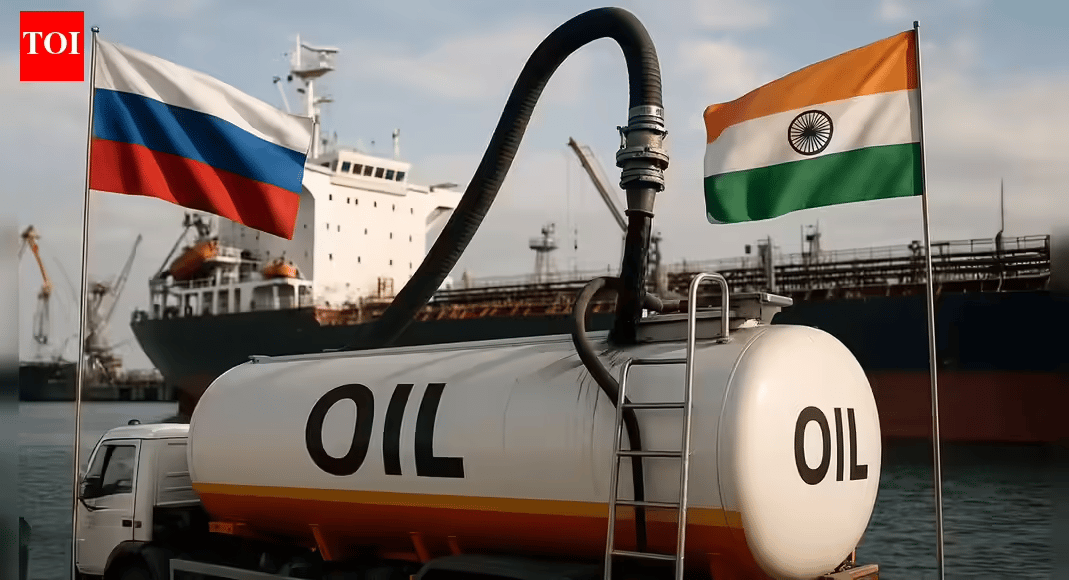
🛢️ Russian Oil Dip - India’s Russian oil imports are set to fall sharply in January after Reliance Industries said it expects no Russian crude deliveries. Reliance, India’s largest private refiner and previously the biggest buyer of Russian oil, has not received shipments for weeks amid tighter US and EU sanctions and renewed US pressure over India’s purchases. Imports could drop below 1 million barrels per day, near multi-year lows, down from a peak of 2 million bpd in mid-2025. With Reliance stepping back, only Nayara Energy and state-run refiners are likely to continue buying Russian crude.
🏦 RBI Rate Room - The Reserve Bank of India may cut policy rates by another 50 basis points in 2026 after reducing them by 125 bps in 2025, according to an IIFL Capital report. The gap between the repo rate and core inflation remains well above historical averages, giving the RBI room to ease further as inflation stays subdued. Lower rates, combined with ongoing deregulation, are expected to support faster GDP growth and improve credit conditions, benefiting banks. With limited global tailwinds, domestic reforms, trade deals and renewed capital expenditure are likely to play a bigger role in driving growth in 2026.
HEADLINES
🧑🍳 What else is cookin’?
What’s happening in India (and around the world 🌍️)
Gold inches higher as safe-haven demand rises amid global tensions and market volatility.
Kennesaw State & Birla Carbon launch global research internship in India, strengthening academic-industry collaboration.
B.C. to undertake trade mission to India, targeting critical minerals and sustainable products.
Kapil Dev turns 67, celebrated as one of India’s greatest cricket all-rounders.
Air India leadership shakeup under Tata aims to transform travel experience across India.
Bangladesh reiterates it won’t play T20 World Cup matches in India over safety concerns after Mustafizur Rahman IPL release fallout.
You’re the best :)
It would mean the world to us if you shared this link with a friend!
P.S.: Up n’ Running can now be installed as an app on your phone! Here’s how:
Click on the banner above and select your browser of choice.
You will receive a pop-up saying “Install the app.”
Follow the instructions on that pop-up, and voila - you will now receive Up n’ Running updates directly to your phone! It’s also an easy way for you to access previous Up n’ Running editions at will.
That’s all for today folks - have a lovely day and we’ll see you tomorrow.